


Close


Close
In the small township of St Marys in north-east Tasmania, home to fewer than 800 people, access to early childhood education and care has long been limited. With only a small number of long day care places available locally, families often travel more than 30 minutes along winding mountain roads to neighbouring towns in search of care. For some, the commute becomes part of daily life. For others, it means reducing work hours, declining shifts or putting study on hold.
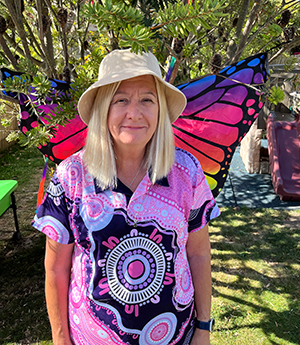
When Erica opened her family day care service earlier this year, she responded directly to this community need. For parents, the impact has been immediate. In a community with limited options, even one additional service has made a measurable difference. Sarah, whose child now attends Erica’s service, shared:
“Only one parent was able to work. Now, both parents work three days per week. Without care at Erica’s, our family would have faced lost income.”
Other families had also been accessing care outside the area that did not meet their needs or had children who struggled to settle in larger settings. Since attending Erica’s service, parents have been able to return to study, increase work hours, and regain flexibility in their daily lives.
For Erica, family day care is more than a profession, it has been part of her life for nearly three decades. She first came to family day care as a parent in Queensland before becoming an educator in 1996 and later working as a coordinator. After relocating to Tasmania 18 months ago and navigating a period of personal change, including separation and health challenges, she made the decision to return to family day care in a new community.
“It is very rewarding, even just helping families with their child,” she says.
Re-establishing her service in a regional area presented its own challenges. Even just accessing resources was limited, as the nearest major hardware store was almost two hours away.
“It took me almost two months just to get scrapbooks,” she recalls.
Despite these challenges, interest from families was immediate. Within weeks of advertising, and before officially opening, her service was already full.
“I was already full before I started. In my first week of opening, ten children commenced care, most of whom had never attended child care before,” Erica explained.
Over time, she established a calm, welcoming environment tailored to children aged between two and three years. Her program is child-led and responsive to children’s interests, home lives and developmental stages. Her philosophy places strong value on connection, ensuring children are known deeply rather than being one of many.
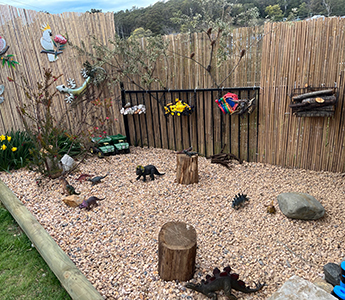
“You get to know the parents… you get to know what’s going on in their home.”
That depth of connection is something Erica says many families had been seeking.
Opening her service also required significant personal and financial commitment, particularly after a period without income. Support from the Australian Government-funded Family Day Care Capability Trial, facilitated by Family Day Care Australia, helped to ease some of that pressure. The reimbursement support enabled Erica to recover key infrastructure costs and update essential technology used for programming and compliance, supporting a smoother transition into operation.
Beyond financial support, Erica also highlighted the broader importance of the Trial in supporting educators in regional communities.
“It’s helping other educators being able to start, which is something that we do need.”
Today, Erica supports a diverse group of families, including police officers, nurses, pastors and single parents. Her service remains at capacity with a waitlist forming, reflecting strong demand for flexible, locally based care in the region.
In small communities like St Marys, even one additional educator can make a significant difference. Erica’s service has enabled parents to increase work hours, pursue study or new employment and remain living in the local area.
Looking ahead, Erica hopes to expand her offering over time, including the possibility of overnight care to better support families working non-standard hours.
Reflecting on her return to family day care, she remains passionate about the model.
“It’s a great job,” she says. “You build real relationships with the children and their families - and you can still be home with your own family.”
Through experience, resilience and targeted support, Erica has established a sustainable family day care in one of Tasmania’s smallest communities – complementing existing local services and providing families with an additional, flexible option close to home.

.svg)

